Friday, 26 February 2016

Tonga Trench the 2nd Deepest Place on Earth

Tonga Trecnh Maps


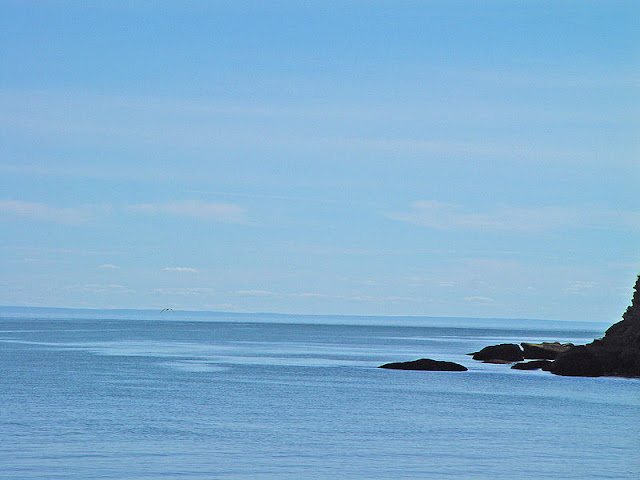
The oceans are full of many abysmally deep places. Tonga Trench is one of them. It is, in fact, the 2nd deepest place on Earth, the first being the Mariana Trench.

The deepest point of this trench is 35702 ft or 10882 m. It is only 114 m less than the deepest point on Earth, Challenger Deep of Mariana Trench.

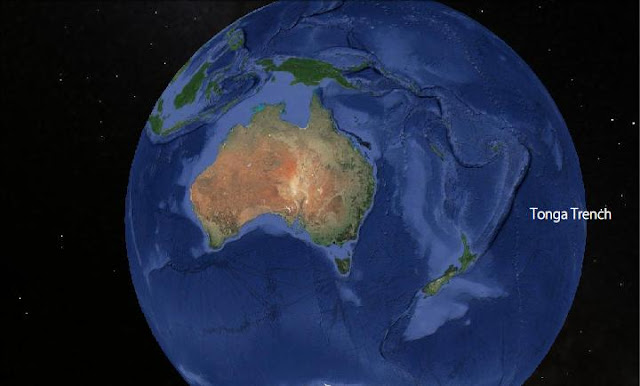
The Tonga Trench is situated in the southern part of the Pacific Ocean. The trench lies parallel with the eastern shore of Australia. It is can also be joined with islands of New Zealand with a straight line on a map.
The Tonga Trench is followed by the Karmadec Trench in the south. These two forms the active Tonga- Karmadec subduction zone. 


Thursday, 25 February 2016

What is the Largest Jellyfish on Earth?

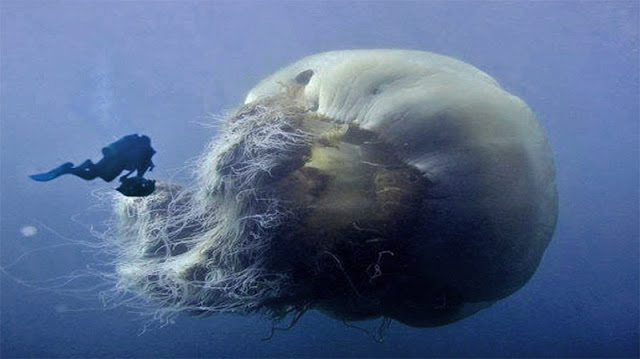
Lion's Mane jellyfish


Biggest Jellyfish in the Oceans


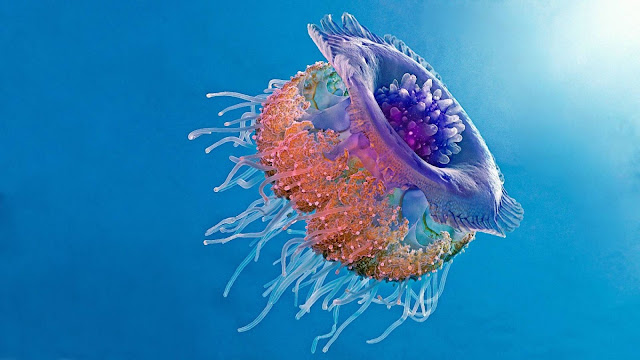
Jellyfish has hundreds of species with different shapes and colors. There sizes vary from very small to huge.  Some of these bigger species of Jellyfish can really be amazingly big. The two well known largest jellyfish species are Lion’s Mane jellyfish, and Nomura's jellyfish. There is another extremely rare deep sea giant jellyfish named “Stygiomedusa gigantean”.


Wednesday, 24 February 2016

Dogfish! A Shark with Venom!


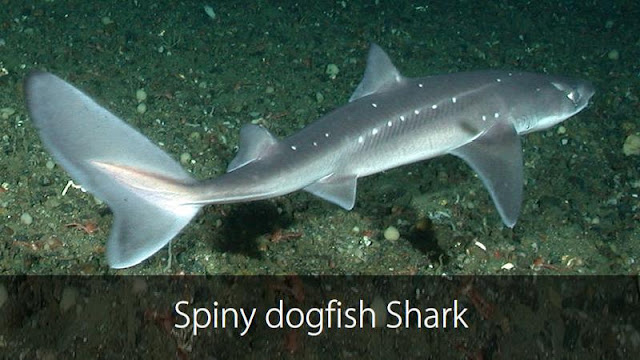
Spiney Dogfish Shark
Photo Credit: NOAA (Public Domain)
Dogfish is the common name of a group of similar shark species.The scientists is not fond of such mundane names and so they call them Squaliform. The group is large with 119 members. They have diverse sizes and shapes. All of them do not even have same physical characteristics, too.

The smallest Dogfish species is Dwarf lanternshark (Etmopterus perryi) which never grows beyond 7 /8 inches. Actually, they are the smallest of all sharks. That tiny shark is rare and is endemic to the continental slopes of Venezuela and Colombia. They might be small but they can also impress you by producing light from their body.


Saturday, 20 February 2016

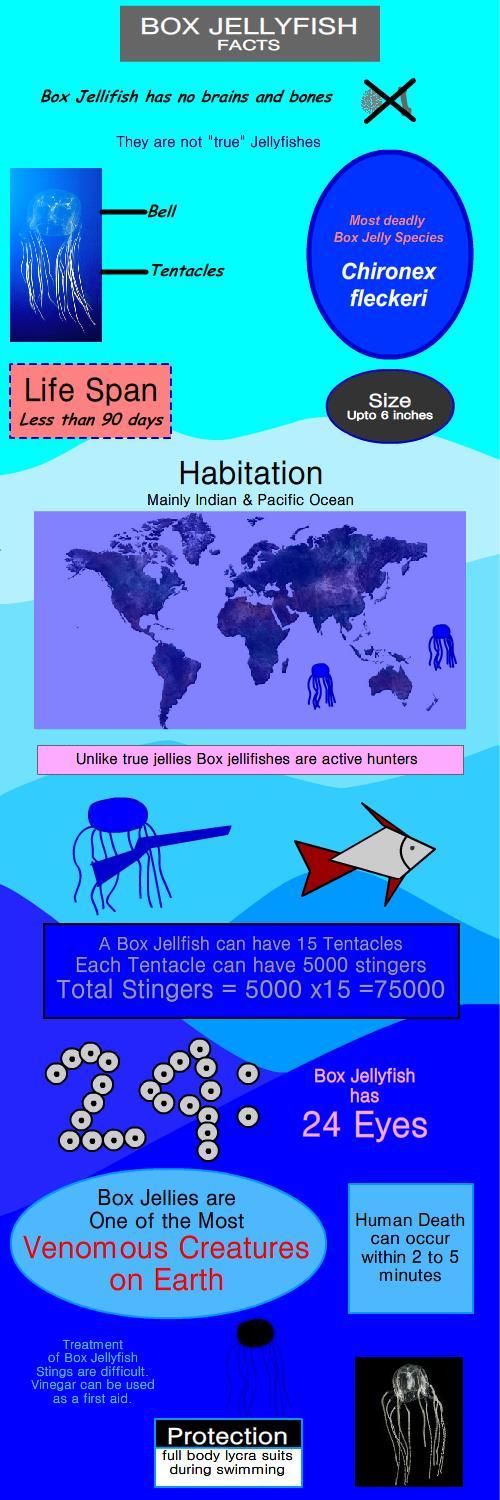
Infographic - Interesting Box Jellyfish Facts

Box Jellyfish Infographic
Infographic Box Jellyfish

Box Jellyfish is one of the deadliest sea animals. In fact, their venom is stronger than most snakes. They belong to the phylum Cnidaria. Learn some interesting and useful facts about them.


  • Box jellies are not true jellyfishes. A true jelly is a drifter but Box jellies are active swimmers.


All species of these sea animals are not so deadly. Most dangerous among these are three species Chironex fleckeri, Carukia barnesi and Malo kingi.


  • Due to their venomous stings, the Box jellies are popularly known as the “Sea Wasps “or “Marine Stingers”.


  • Box jellies have two forms in their life cycle – Polyp and Medusa. The baby jellyfish is called a Polyp. During this phase of its life, it remains attached to a main body. At that time of life, it cannot move one place to another. The mature phase is known as the Medusa which is well known to us.


    Their body has a semi-transparent box shaped bell. The bell is the place where most of its organs are located. Its mouth can be found at the underside of the bell. The interior of the bell is known as “Gastrovascular Cavity”.


      • A bell has four corners from which bunch of tentacles hang. These tentacles are long, hollow, string like organs.


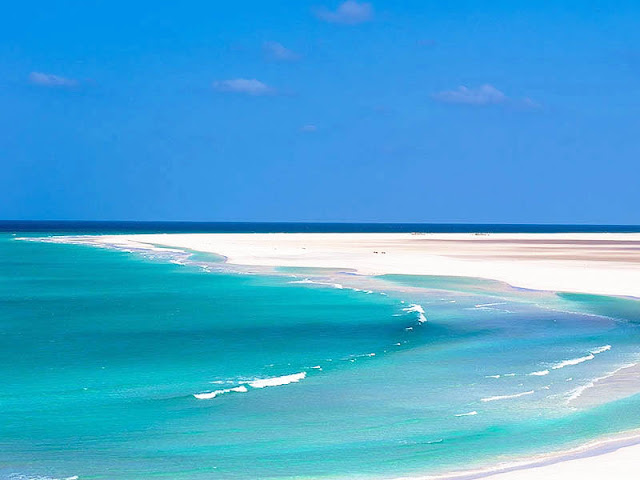
      22 Interesting Facts about the Arabian Sea

      Arabian Sea facts
      Image : Creative Commons


      The Arabian Sea is one of the largest seas of the world. It is economically very important due to the presence of huge oil fields of Arabia. The sea is known for its generally dry weather along the Western coast and its long, deep sea routes free of islands and undersea ridges. During the Roman period, the sea was known as the Erythraean Sea to the European people. The ancient Vedic Indians called it “Sindhu Sagar”. The Arabs call it “Bahr al-Arab”. Learn some interesting and useful Arabian Sea facts.


      Wednesday, 17 February 2016

      Bay of Fundy Where Tides are 5 Story High

      Bay of Fundy
      Photo Credit: Mredden [Public domain]


       Bay of Fundy has a super star fame due to its too high tides. The tidal range of the bay is the highest in the world. But it is not everything about tides; there are also many things to see here. It is one of the most popular tourist spots in Canada.

      The bay is situated on the Atlantic Coast of Canada. It is sandwiched between two provinces of the country, New Brunswick and Nova Scotia. Actually, the bay is the north eastern most part of the Gulf of Maine. In fact, the southernmost part of the Bay of Fundy touches the US state of Maine.

      Tuesday, 16 February 2016

      Strait of Georgia Facts, Figures, Maps and Threats

      Strait of Georgia


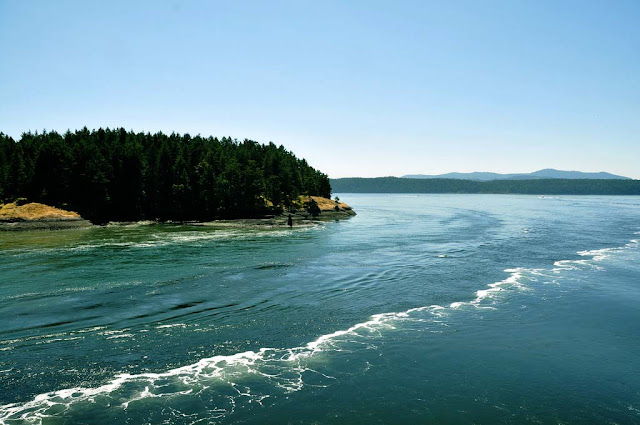
      Strait of Georgia separates the Vancouver Island from the Canadian state of British Columbia.  It is a very small part of the great Pacific Ocean, to be precise North Eastern part of the Pacific. The strait is 138 mi long and its width varies from 11 to 34 mi.

      The strait is almost blocked by a group of islands in the north. A narrow passage named as “Discovery Passage” connects it to the “Johnstone Strait”. It is the northern route to go out from the Georgia Strait.
      If you want to enter into the Strait of Georgia from the south, head straight for the Strait of Juan de Fuca. There are two islands which separates Juan de Fuca from Georgia strait: San Juan and Lopez. From here you can take any of the three channels or straits: Haro Strait, San Juan Channel, and Rosario Strait.

      Friday, 12 February 2016

      Top 15 Beaches in Goa with Images

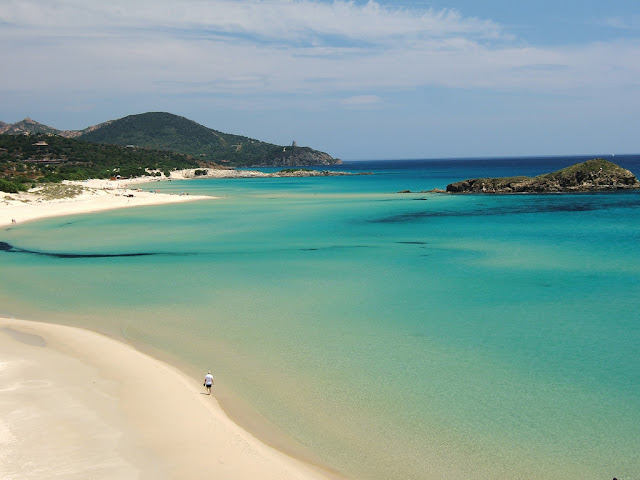
      best beaches of goa


      Goa is a very small state of India. It was under Portuguese rule for 465 years! It was the capital of the Portuguese Eastern empire. So, there is still some Portuguese influence left in the culture of Goa.

      Monday, 8 February 2016

      45 Mind blowing Octopus Facts


      cool octopus facts

      Facts About Octopus Part I


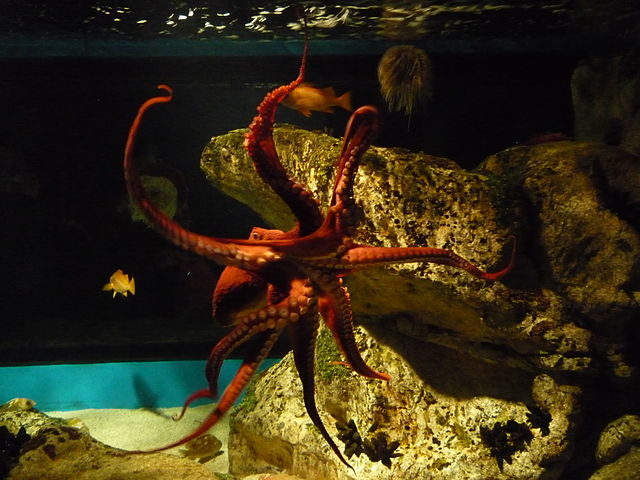
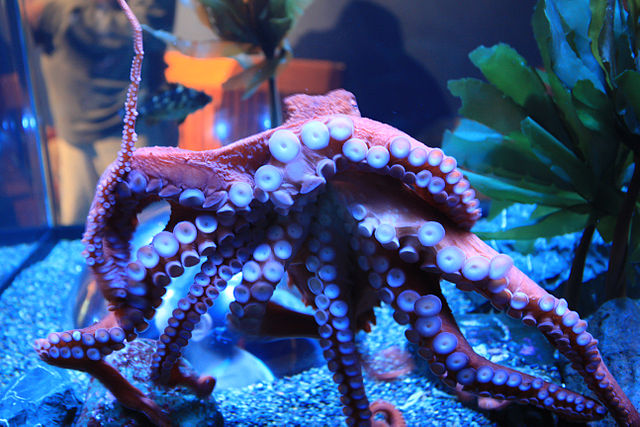
      Octopus lives in the seas and oceans. It is an amazing animal. It has surprising abilities. The animal is smart and resourceful. Scientists are always fascinated by these animals and their behaviors.

      Octopus lives in various regions of the sea. Most of them can be found inside the dens and holes under the sea. There are over 300 species of them. Some of these are very small while others can be considerably large. Let us know about some more interesting facts about these cephalopods.


      45 Mind blowing Octopus Facts Part II (16-30)


      Facts about Octopus
      Photo by Andrea Pravettoni [CC BY 2.0]

      This is the 2nd part of our 3 part article series about interesting facts about the Octopus.You can check the 1st part and the 3rd part also to know more.


      45 Mind blowing Octopus Facts Part III (31-45)

      giant pacific octopus
      Giant Pacific Octopus by Cliff,Arlington, Virginia, USA [CC BY 2.0]

      This is the 3rd and final part of the series about 45 interesting Octopus facts. Two other parts of the series are also written with it. If you like you may check the 1st and the 2nd part of the series. Here you will find the facts number 31 to 45.


      Sunday, 7 February 2016

      All the Five Oceans of the World

      five oceans of the world

      Approximately 71% of the surface of the world is covered by the five oceans of the world. Most of the water on earth is in the oceans. All these are actually part of the large world ocean. It is divided into five smaller oceans.

      Saturday, 6 February 2016

      Facts about the Great Pacific Garbage Patch

       plastic of the Great Pacific Garbage Patch
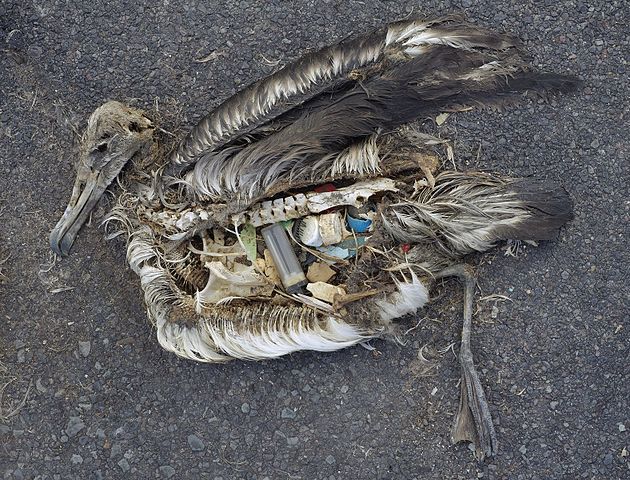
      Albatross killed by plastic of the Great Pacific Garbage Patch By Chris Jordan CC BY 2.0 [CC BY 2.0], via Wikimedia Commons


      The Great Pacific Garbage Patch is a vast area of the Pacific Ocean where tons of plastic garbage has been accumulated for years. It is bounded by the North Tropical Pacific Gyre.

      A Gyre is a circulating flow of ocean current. There are total five Gyres – the North Pacific, South Pacific, North Atlantic, South Atlantic and Indian Ocean Gyre. The circulating water of a gyre creates a water body separated by the rest of the ocean.

      Friday, 5 February 2016

      Interesting Facts About the Mediterranean Sea

      Mediterranean Sea
      CC-BY-2.0  Wikimedia Commons


      The Mediterranean Sea is almost completely land locked. Only the narrow strait of Gibraltar connects it with the Atlantic Ocean. It is an oval shaped sea.

       Mediterranean Sea is sandwiched in between the continents of Africa and Europe. The collision between the African and European plates is the reason of its origin.

      Wednesday, 3 February 2016

      25 Amazing Jellyfish Facts for Kids and Grown Ups

      amazing jellyfish

      Fun Facts About Jellyfish


      Jellyfish is the oldest multi-cellular organism. They are swimming in the oceans and the seas of the world for more than 700 million years. They can be found in every ocean. A jellyfish floats near the surface as well as in the deepest parts of the ocean.

      Newer Posts Older Posts Home