Showing posts with label sea animals. Show all posts

24 Jul 2017

Amazing Photo Of A Dumbo Octopus


Look at this dumbo octopus. It looks like an alien from other planet. An alien with a weird face without any eyes, nose and mouth. However, there are two big "ears".

7 Jun 2017

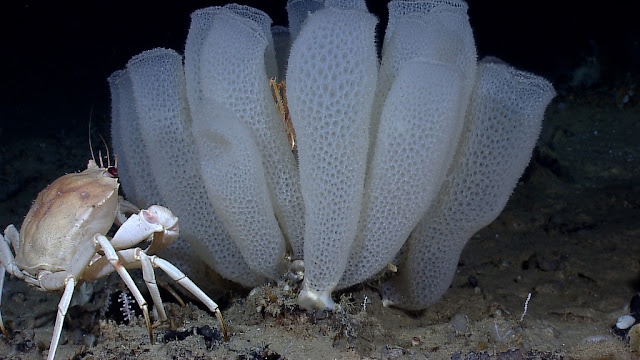
Venus's Flower Basket - The Sponge That Can Produce Glass Naturally

Venus's Flower Basket

The Glass Sponge That Can Produce Optical Fiber Better Than Man Made !


There are many strange animals and plants in nature. Venus's Flower Basket, a sponge is such a creature. That sponge can produce glass inside their body from sea water ! That's why it is also known as "glass sponge". These sponges are also known as a symbol of happy conjugal life in Japan.

28 May 2017

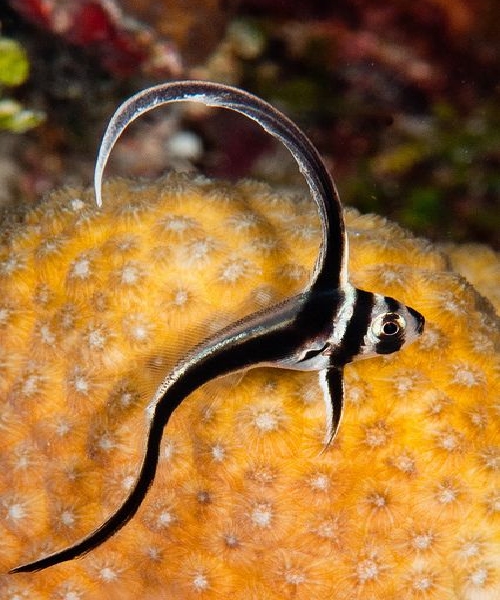
Spotted Drumfish Facts - The Cute Fish That Can Produce Drum Beat Sounds

Spotted Drumfish


A Spotted drumfish is also known as a spotted ribbonfish. The fish is known for its ability to produce drum beat like sounds. The fish belongs to the genus Equetus. There are three species in this genus which are E. acuminatus, E.lanceolatus and E.punctatus or  high hat fish, jacknife fish and spotted drumfish, respectively.

23 May 2017

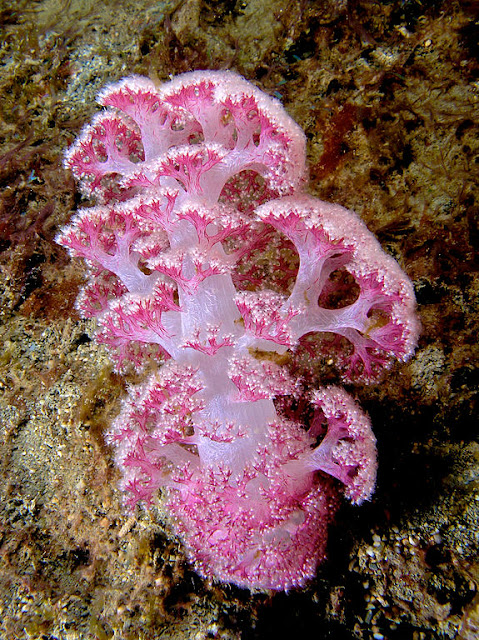
10 Beautiful Photos of Carnation Coral or Dendronephthya

Dendronephthya

Dendronephthya or Carnation tree corals are way too beautiful. It is a genus of soft corals with about 250 species. Here are some cool photos of that coral.

18 May 2017

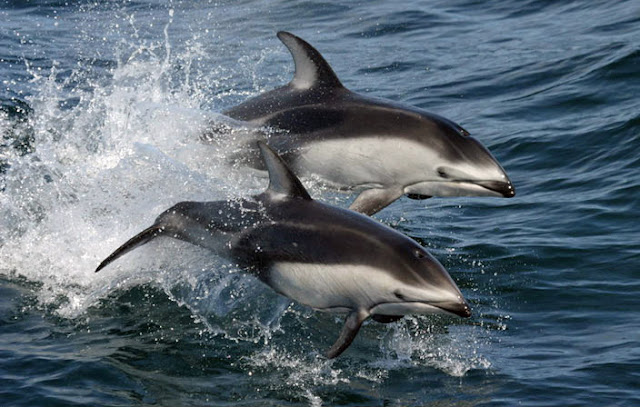
Why Do Dolphins Jump Out Of Water

dolphins jump

Dolphins are known for their habit of breaching out of water. Everyone knows about the jumping dolphins. Do you know why they jump?

23 Feb 2017

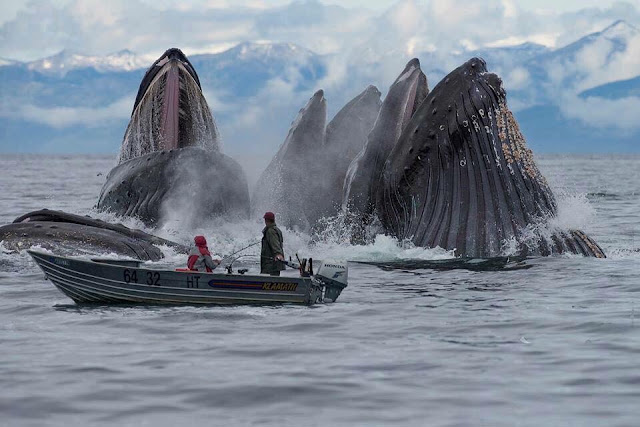
Amazing Photo Of Giant Whales Feeding So Close To The Small Boat


Whales are big animals and we all know that. But do you have the real idea about their size? Look at this photo above and you will understand. Really, whales are the giants of our time. 

11 Feb 2017

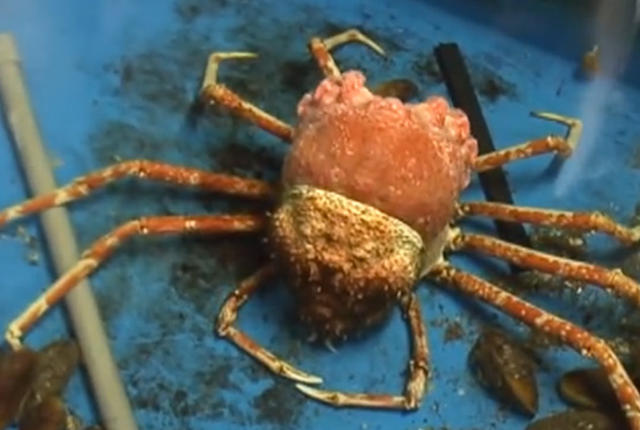
The Giant Spider Crab is Shedding Shell - A Creepy Footage

The Molting Giant Spider Crab Video


Giant Spider Crab


The giant spider crab is the largest crab on earth. It is a real giant among arthropods. No spider or crayfish can boast of 30ft long legs like a giant spider crab. Those long legs gives it a look like a spider and make it a big nope of the ocean.

5 Feb 2017

20 Rare Octopus Photos Collection

Amazing Octopus Photos


Octopus is the smartest invertebrate in the world. In fact, they are smarter than most vertebrates. With their eight serpentine arms and spider like appearance they have always captured popular imagination as some fierce monsters. But it is far from the truth. We have created this photo gallery with 20 amazing octopus photos to make people aware. Let people see and understand the wealth of our oceans. We will all stand together to save our oceans and its creatures.
1

octopus photo 1

2

Octopus photography


Page 1 Page 2 Page 3 Page 4 Page 5 Page 6 Page 7 Page 8 Page 9 Page 10

12 Jan 2017

The Harp or Lyre Sponge is the Most Weird Looking Creature of the Deep Sea

Lyre Sponge

The Carnivorous Harp Sponge


Deep sea is full with weird looking animals. The lyre or harp sponge is one of them. It looks like a lyre, a Greek classical stringed musical instrument. In fact, it is try to imagine that thing is a living, breathing creature.

15 Dec 2016

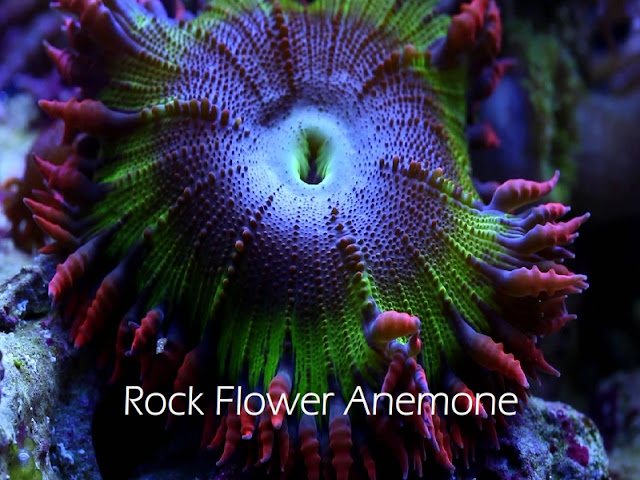
Amazing Rock Flower Anemone Photos and Facts

Rock flower anemone

Flower Anemones


Rock flower anemone is the most colorful among all the species of anemones. We all know that most anemones are white or colorless but rock flowers are totally different.  The most common colors are green, brown, lavender, red or yellow and its combinations. These creatures belong to the genus Phymanthus. The name of the species is Phymanthus crucifer. They are also known as flower anemones and red beaded anemone.

30 Nov 2016

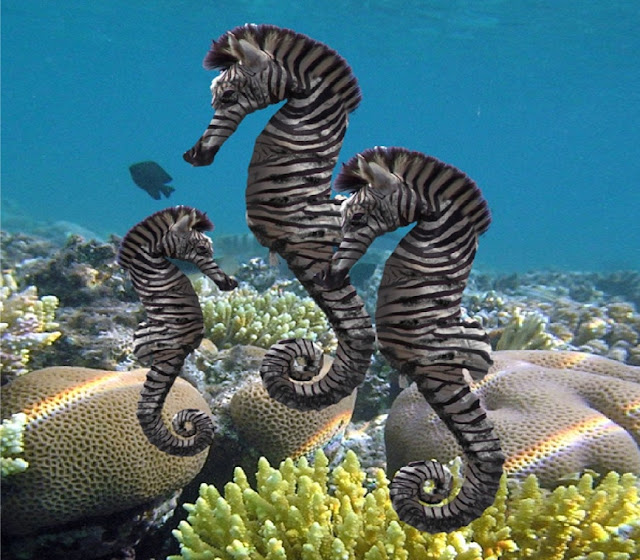
Zebra Seahorse - The Wonderful Zebra of The Sea

zebra seahorse

Hippocampus Zebra

Zebra seahorse or Hippocampus zebra is a cool looking sea horse. The creature is endemic to Australia, that means it can only be found in seas near Australia. It lives in the coral reefs with other colorful animals. The animal lives within the depth range of 5 to 70 m. You can see them near the coast of Queensland and Western Australia.

25 Nov 2016

What Do Sea Urchins Eat?

A sea urchin looking for food

Sea Urchin Feeding Habits


Sea urchins are primarily herbivore. Their most proffered food item is algae. Some species love to eat kelp and other marine vegetation. There are also omnivores among them.

21 Nov 2016

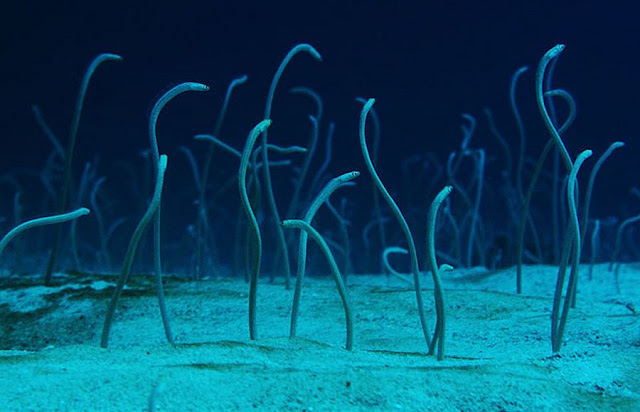
Thousands of Creepy Garden Eels are Dancing Under the Ocean

Garden Eels Dancing

These Dancing Eels Looks Like Medusa's Hair


Look at the garden eel colony. The snake like creatures are dancing under the ocean. These are like thousands of nope ropes. Imagine, finding such a "garden" while diving under the ocean ! 

17 Nov 2016

This Newly Discovered Purple Crab Found in a Phillipines Island Looks Bright


Every years hundreds of species of animals and plants are being abolished from the face of earth. Human activities have brought a huge change in the climate and ecosystem of the planet. In that case, the rare discovery of a new species of animal is a welcome change. It brings new hope.

14 Nov 2016

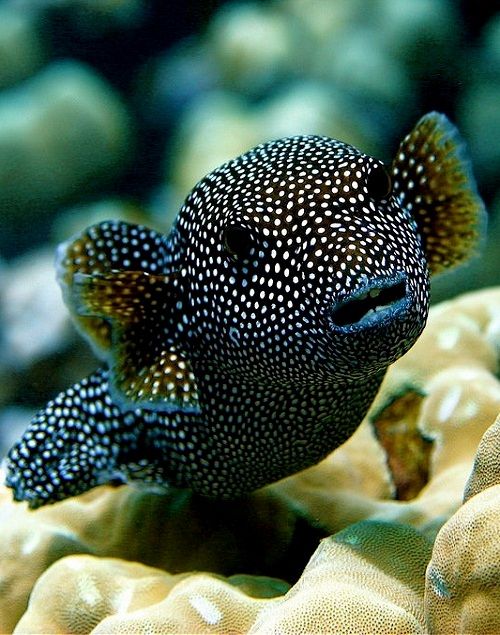
Guineafowl Pufferfish Photos - Mindblowing Collection

Guineafowl Puffer

 Pictures of Guineafowl Puffer

Do you love to see exotic fish photos? Do you like the sea creatures? If you have anything common with me then you are a lover of marine life. These photos of guniefowl pufferfish is for viewers like you. All the time taken by me to collect and select these photos are to make you happy.

10 Nov 2016

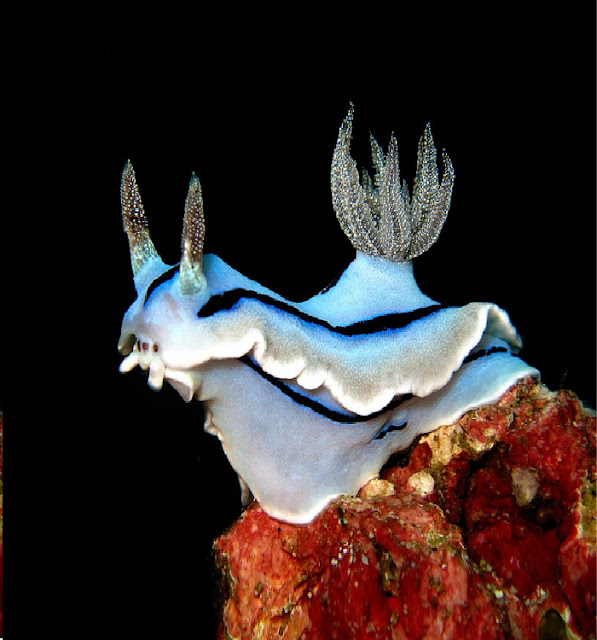
Chromodoris Willani : The Sea Slug with a Diamond Crown

Chromodoris Willani nudibranch

Facts About Chromodoris Willani


Chromodoris willani is a nudibranch sea slug. It is a snail without a shell. The nudibranch is endemic to the coral reefs of the western Pacific Ocean. It is most common in the seas of various islands of Indonesia. You can also find them near the shores of Philippines.

7 Nov 2016

Do Jellyfish Have Brains?

jellyfish don't have brains  

Jellyfish Brains


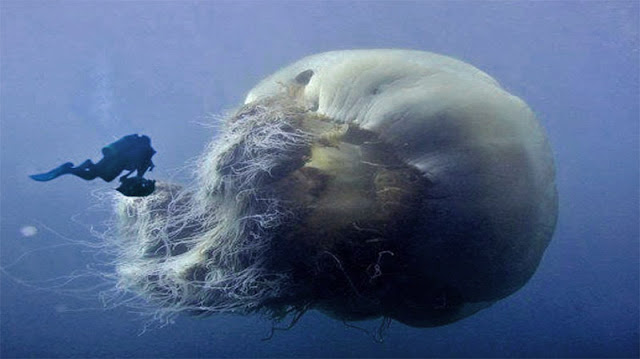
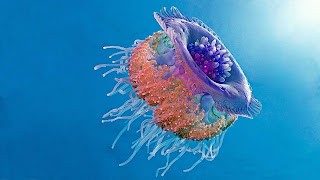
Jellyfish is one of the most common among all the sea creatures. Jellyfishes are marine invertebrates with no proper brain or a liver. These creatures belong to the phylum cnidaria. Though there “-fish” suffix with the name, biologically they are not even close to a fish. They are actually very primitive animals. That’ why there body is not a complete one. So, how does a jellyfish live without a brain? Read below to know.

N.B.: Some people believe that a jellyfish has four brains. The reason of that peculiar belief is the four visible organs inside a moon jellyfish "head". But these organs are gonads, not brains. 


No Real Brain


A brain is a central nervous system which controls the activities of the organs and behavior of an animal. It is a coordinator center of all nervous activities. There is not any such system in a jellyfish.
What does a jellyfish have instead of a brain is a network of nerves. There is no central nervous system so there is no processing of data. These neurons help them to detect water temperature, chemical composition, presence of other organism, light, vibration etc.


How Do Jellyfish Function Without A Brain ?


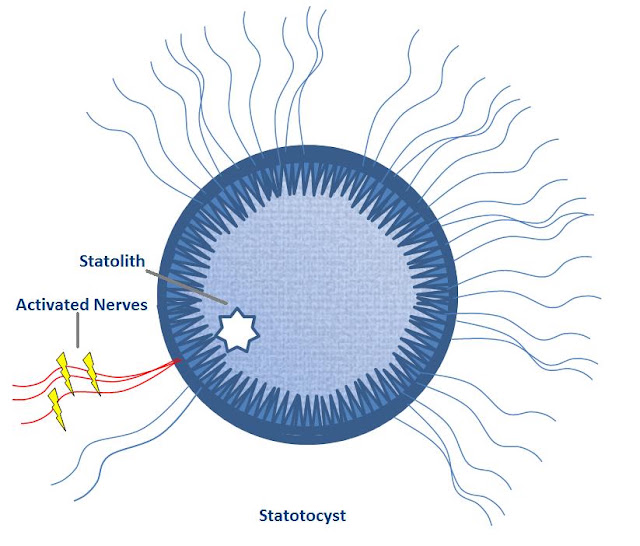
Statocyst

Statocyst

A jellyfish has an organ named statocyst which helps it to balance itself. It works without a brain. It is a bag like thing with a ball inside. There are sensory hairs inside the bag. If the jellyfish becomes upside down, the ball will also go to the opposite end of the bag. So, it will trigger the sensors there. It means the jelly is upside down. The statocyst will send signals to the jellyfish body to reorient itself. The mineral ball is known as statolith.


Vision


Jellyfish does not have any true eye. They have eyespots or Ocelli. A developed eye is a stereoscopic camera. Jellies do not have such advanced eyes.
Ocelli or eye spot is nothing more than a simple light detector. It cannot form images. So, a jellyfish cannot “see” anything or it does not have a “vision”.
Some species like the box jelly has a more complex system. A box jelly has 24 eyes. It has 360 degree “vision”.
These eye spots are attached with a gyroscope like organ. The gyroscope helps the jelly eyes to “see” everything from every angle.


Defense


Due to lack of a central decision making organ, i.e. a brain, jellyfish has an automatic defense mechanism. There are millions of stinging cells or cnidoblasts covering the tentacles.


The cnidoblasts are like nature made cartridges. There is an arrow shaped “bullet” in each cell. The arrow like thing is powered by a coiled spring.  There is a hair like trigger or cnidocil. If the trigger is activated, the arrow blasts out and impales the target.


There is a chemical detection system attached with the stinging cells to find out the prey or enemy to sting. It can detect the touch of a living cell of another animal. The chemosensor cells give signal to the adjoining nerve cells. The nerve cells then give the order to “fire”.


As you can see the defense mechanism of a jellyfish does not need a brain. Everything is automatic here. Due to the automation, a jellyfish can’t decide whom to sting and whom not to.


jellyfish

How Do Jellyfish Move If They Don't Have a Brain?


Jellyfish can’t decide where to go as they have not a brain. These creatures are big planktons. They drifted with the ocean current. They go where the current take them. Within a area of the ocean they can move a little.


Jellyfish moves by expanding and contracting their bell. There movement is controlled by external factors like light, temperature, water flow etc. Jellyfish is the most energy efficient swimmer of the ocean.


Feeding


Jellyfish can’t hunt actively for not having a brain. They float and swim from one area to another of the ocean. There feeding depends upon chance. The long tentacles are used as a net to catch prey. It can’t chase anything. The food item must touch its tentacles to be pierced by the stinging.


Breeding


Jellyfish does not need to love or care for their partners. They don't need a mate for breeding. The mature males simply release sperms in the sea water during the period of mating. The females receive the sperms from water and get pregnant. It is a mechanical process without involvement of any kind of emotion. So, a brain is unnecessary here.


You May Also Like:

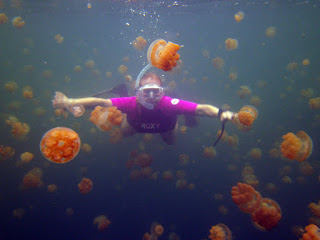
Jellyfish Lake of Palau - Wonder of the Nature

https://allfiveoceans.com/2016/04/jellyfish-lake-of-palau.html

 What do Jellyfish Eat?

https://allfiveoceans.com/2016/10/what-do-jellyfish-eat.html

Can You Eat Jellyfish?

https://allfiveoceans.com/2016/04/can-you-eat-jellyfish.html

4 Nov 2016

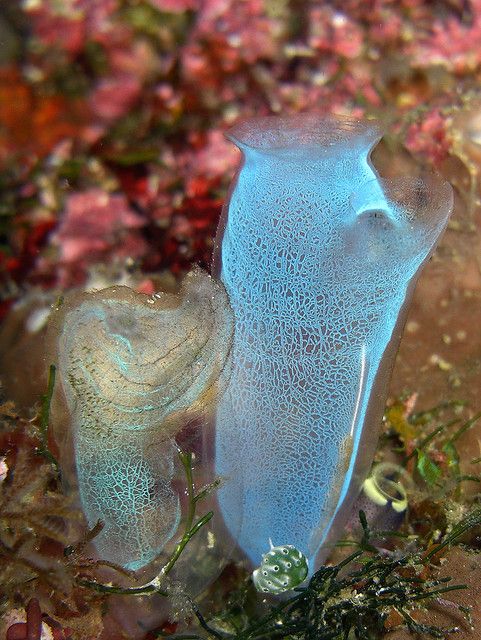
Amazing Sea Animals: Tunicate or Sea Squirt Photos Collection


Tunicate Photo Collection

Cool Tunicate Photo Collection Page 1


Here are some cool tunicate or sea squirt photos for you. Tunicates are chordates but invertebrates. Most of the chordates are vertebrates, i.e., have a spinal cord, but tunicates are considered invertebrates because they have a notochord. So, we can see that they are the linking species between the vertebrates and invertebrates.

Page 1 Page 2 Page 3

30 Oct 2016

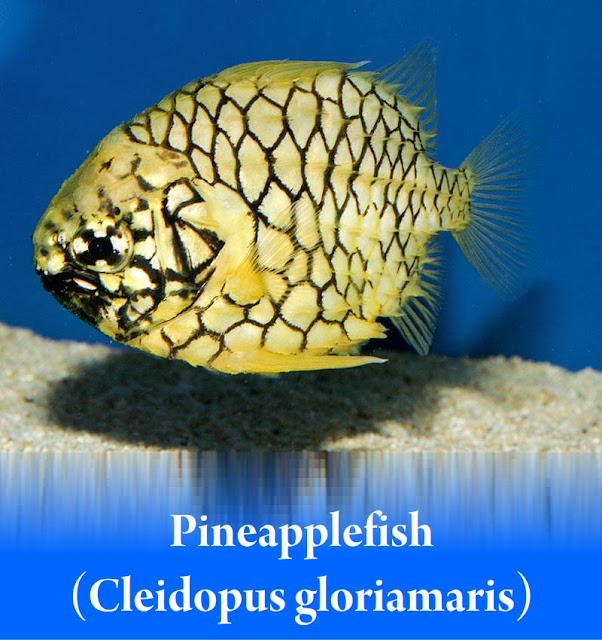
Pineapple Fish - This Fish Has a Glow in the Dark Mouth

Pineapple fish facts

Facts About Pineapplefish


The ocean is full with strange and beautiful creatures. Pineapple fish is one of them. The fish is also known as pinecone fish and knight fish or court-of-the-mail fish. Yes, you guessed it right, the fish has large, armor like scales. It looks like a ripe pineapple with fins.

24 Oct 2016

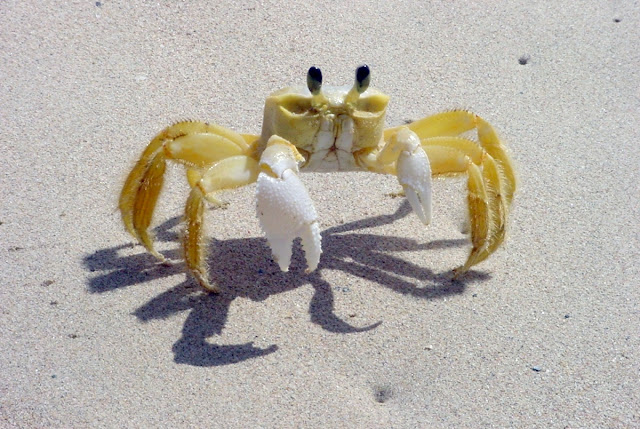
Atlantic Ghost Crab - These Cute Looking Semi- Terrestrial Crabs Eat Turtle Babies

Atlantic ghost crabs

Facts About Atlantic Ghost Crabs


Atlantic ghost crabs are the only species of the ghost crabs that lives in the Atlantic Ocean shore of the United States. They got the title "ghost" because of their nocturnal nature. These crabs live in the burrows in the sea shore sands during the day time. They comes out searching for food during the night. One of their most prominent food source is baby turtles and also turtle eggs.

Older Posts Home