Showing posts with label Pacific Ocean. Show all posts

25 Apr 2016

Jellyfish Lake of Palau - Wonder of the Nature

Swimming in the jellyfish lake


Amazing Jellyfish Lake in an Island of Palau


The Jellyfish Lake, pride of Palau, is one of the marvels of the nature. It is a lake surrounded by tropical trees in a tiny, rocky island. You can hear the sound of pacific nearby. If you take a breath, you can feel the scent of the ocean here. But still the lake will look like a big pond. You will not notice that it is actually connected with the ocean. It is a “marine lake”, not a true freshwater lake. The age of the lake is only about 12000 years. It is created due to the rise of the water level of the Pacific ocean after the end of the last ice age.

16 Feb 2016

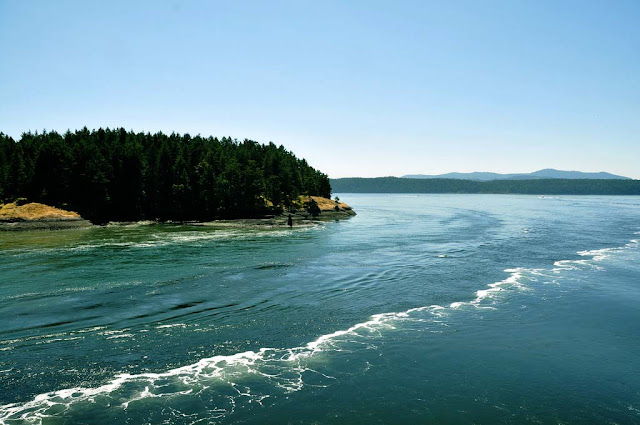
Strait of Georgia Facts, Figures, Maps and Threats

Strait of Georgia


The Georgia Strait


Strait of Georgia separates the Vancouver Island from the Canadian state of British Columbia.  It is a very small part of the great Pacific Ocean, to be precise North Eastern part of the Pacific. The strait is 138 mi long and its width varies from 11 to 34 mi.

The strait is almost blocked by a group of islands in the north. A narrow passage named as “Discovery Passage” connects it to the “Johnstone Strait”. It is the northern route to go out from the Georgia Strait.
If you want to enter into the Strait of Georgia from the south, head straight for the Strait of Juan de Fuca. There are two islands which separates Juan de Fuca from Georgia strait: San Juan and Lopez. From here you can take any of the three channels or straits: Haro Strait, San Juan Channel, and Rosario Strait.

6 Feb 2016

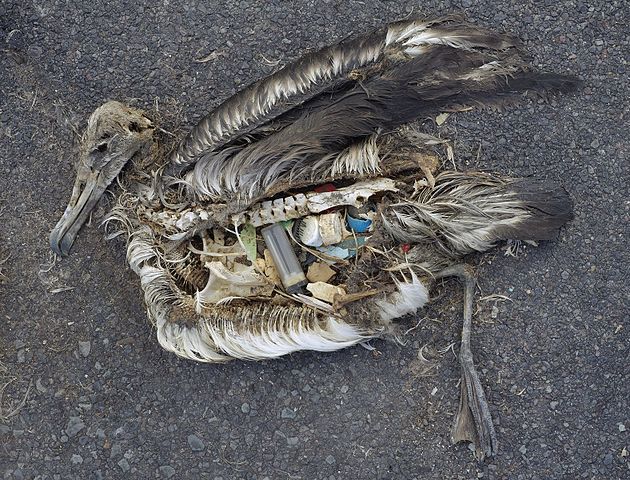
Facts about the Great Pacific Garbage Patch

 plastic of the Great Pacific Garbage Patch
Albatross killed by plastic of the Great Pacific Garbage Patch By Chris Jordan CC BY 2.0 [CC BY 2.0], via Wikimedia Commons


The Great Pacific Garbage Patch is a vast area of the Pacific Ocean where tons of plastic garbage has been accumulated for years. It is bounded by the North Tropical Pacific Gyre.

A Gyre is a circulating flow of ocean current. There are total five Gyres – the North Pacific, South Pacific, North Atlantic, South Atlantic and Indian Ocean Gyre. The circulating water of a gyre creates a water body separated by the rest of the ocean.

10 Jan 2016

The Pacific Ocean

Pacific Ocean Image 1
Pacific Ocean (Photo by By Tony Webster [CC BY 2.0]}

Pacific Ocean Facts


The Pacific is the largest ocean. It is so big that it occupies one third portion of earth’s surface alone. If we combine all the countries and continents of the world, it would be still smaller than the Pacific. The area of this mega ocean is 165.25 million square kilometers or 63.8 million square miles.

Asia is on the eastern side of this ocean and Americas are on the west. The Oceania continent and the Antarctic Ocean is on the south and the Arctic is on the northern limits of the Pacific. The equator divides it into two parts – North and South Pacific.

Older Posts Home